Septic Services and Drain Field Warning Signs to Watch
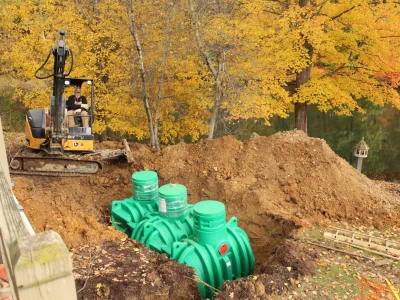


A septic system does its best work quietly. When everything is functioning the way it should, most homeowners barely think about it. Wastewater leaves the house, solids settle in the tank, effluent moves to the drain field, and the soil finishes the treatment process. It is simple in principle, but in practice, it depends on several parts doing their jobs in sequence. When one piece starts slipping, the signs often show up slowly at first.
That gradual decline is exactly why problems get missed.
I have seen homeowners ignore a wet patch in the yard because it only appeared after heavy rain. I have seen people blame slow drains on old pipes inside the house, only to find the real trouble sitting outside in an overloaded tank or failing drain field. Septic trouble rarely announces itself with one dramatic event. More often, it starts with small changes in drainage, odors, lawn appearance, or plumbing behavior, and those changes matter.
If you rely on a private septic system, learning the warning signs can save you from a foul cleanup, a damaged yard, and a repair bill that climbs fast once the drain field is compromised. Good septic services are not just for emergencies. They are part of routine property care, the same way roof inspections and HVAC maintenance are.
What the drain field actually does
The drain field, sometimes called a leach field, is where partially treated wastewater leaves the septic tank and filters through the soil. By the time effluent reaches that area, the tank should have already separated solids, oils, and scum from the liquid portion. The drain field is not meant to handle raw sewage or heavy solids. Its job is to distribute liquid evenly so the soil can remove contaminants naturally.
That means the drain field is only as healthy as the septic tank and the habits of the people using the system.
When a tank has not been pumped on time, solids can move out into the field lines. When too much water enters the system too quickly, the field can become saturated. When roots invade, pipes crack, or the soil becomes compacted from vehicle traffic, the field loses its ability to disperse wastewater. Once that happens, the warning signs start to show.
A lot of homeowners think of the septic tank as the main event, but experienced septic services professionals pay close attention to the drain field because that is often where the expensive failures happen. Replacing a baffle or pumping a tank is one level of repair. Rebuilding a failed drain field is another.
The first signs are often inside the house
Most people expect septic problems to begin with standing sewage in the yard. That can happen, but some of the earliest and most useful signals show up indoors.
Slow drains throughout the house are one common clue. A single slow sink may just have hair or soap buildup in the trap. But when the shower, toilet, and bathroom sink all seem sluggish, especially on the lowest level of the home, the problem may be farther downstream. If flushing a toilet causes bubbling in a nearby tub or shower drain, that often points to poor system venting, a clog in the building sewer, or stress on the septic system itself.
Toilets can also start acting differently before a homeowner sees outdoor signs. A toilet that flushes lazily, backs up without much warning, or gurgles after laundry loads can indicate that the tank is too full or the drain field is not accepting water efficiently. These symptoms tend to be more obvious during high water use. A family that runs two showers, a dishwasher, and a washing machine in the same morning may notice plumbing complaints that disappear later in the day. That pattern is important. It suggests the system is struggling with flow volume rather than dealing with one isolated clog.
Sewage odors indoors deserve prompt attention. A smell near a floor drain or toilet can come from dried traps or bad seals, but a persistent wastewater odor in multiple rooms is a different matter. Septic gases should stay contained within the system. If they are showing up inside, something is not working as intended.
What your yard may be telling you
Outside, the ground often https://augustlcxy948.yousher.com/what-sets-professional-septic-services-apart-from-diy-fixes tells the story before the tank lid ever comes off.
A healthy drain field should remain relatively dry under normal conditions. After heavy rain, any yard may feel soft, but a field area that stays soggy, spongy, or unusually green when the rest of the lawn is drying out deserves a closer look. Wastewater contains nutrients, and leaking effluent can make grass over a failing drain field look lush and fast-growing. Homeowners sometimes take pride in that greener patch until they realize why it looks better than the rest of the yard.
Odors are another strong indicator. A septic smell outside, especially near the tank or drain field, is not normal. It may be strongest in warm weather or after high water use, but it should not be present on a regular basis. If you can smell sewage in the yard even when conditions are dry, that suggests wastewater is not staying underground where it belongs.
Pooling water is a more advanced warning sign. This can range from small patches of grayish standing water to obvious seepage on the field surface. At that point, the system is no longer treating and dispersing wastewater effectively. Besides being unpleasant, it is a health concern. Effluent exposure is not something to take lightly, especially if children or pets use the yard.
One detail homeowners miss is how the ground feels underfoot. I have walked properties where there was no visible standing water, yet the soil over the field felt springy and saturated compared with surrounding areas. That kind of softness often shows up before a full surface breakout.
A backup does not always mean the tank is full
People often reduce septic issues to one idea: pump the tank and the problem goes away. Sometimes that works. Often it does not, because the backup was never just about the tank level.
A full tank can certainly cause trouble, especially if regular pumping has been neglected for years. But backups can also be tied to a blocked outlet baffle, a collapsed sewer line, root intrusion, or a drain field that has lost its ability to absorb effluent. Pumping the tank may bring temporary relief by lowering the liquid level, but if the field is saturated or damaged, the symptoms usually return.
This is where competent septic services matter. A proper evaluation should look beyond the immediate symptom. That may include measuring scum and sludge levels, checking inlet and outlet components, inspecting filters, tracing flow patterns, and evaluating whether the drain field is receiving and dispersing water normally. Guesswork gets expensive. A homeowner who pays for repeated emergency pumping without diagnosing the actual cause can spend a surprising amount of money while the underlying failure keeps getting worse.
Common drain field warning signs worth taking seriously
Some symptoms are more predictive than others. The following signs are the ones I would treat as meaningful rather than incidental:
- Slow drains in several fixtures, especially after heavy household water use
- Sewage odors inside the home or over the drain field area
- Wet, soft, or unusually green patches above the drain field
- Gurgling toilets or drains, particularly in lower-level plumbing
- Standing water or surfacing effluent in the yard
None of these signs proves the same exact failure in every case, but each one justifies a closer look. When several appear together, the odds of a septic system problem rise sharply.
Why drain fields fail
Drain fields do not last forever, but many fail earlier than they should because of preventable conditions. One of the biggest is hydraulic overload, which is just a technical way of saying too much water is entering the system. Long showers, leaking toilets, frequent laundry loads, and oversized tubs can push more water into the field than it can absorb. Even a small toilet leak can add hundreds of gallons over time.
Neglected tank pumping is another major cause. Solids are supposed to remain in the tank long enough to break down and settle. If the tank becomes overloaded, those solids can move into the field lines and clog the surrounding soil. Once the biomat and soil pores become too restricted, the field cannot transmit water effectively.
Then there are the mechanical and site-related causes. Roots from nearby trees seek moisture aggressively and can invade perforated lines. Vehicles or heavy equipment crossing the field can compact soil or crush piping. Roof drains, sump pump discharges, and surface runoff directed toward the field can saturate it even if the septic system itself is not overloaded. In some areas, a high seasonal water table also plays a role. A field that works acceptably during dry months may struggle badly in late winter or during rainy periods because the soil has less capacity to take on additional water.
Age matters too. A drain field that has served a home for 25 to 40 years may simply be reaching the end of its useful life, though lifespan varies widely by design, soil, maintenance, and usage. Some systems last longer. Some fail much sooner.
The difference between a nuisance issue and a true failure
Not every septic-related symptom means the drain field is ruined. That distinction is important because homeowners often swing between two extremes. Some ignore obvious danger signs, while others assume any slow drain means they need a full replacement.
A nuisance issue might involve an effluent filter that needs cleaning, a tank overdue for pumping, or a localized clog in the line between the house and the tank. These problems can still be unpleasant, but they are usually more manageable if addressed early.
A true drain field failure is different. It means the field cannot adequately accept and treat wastewater anymore. You may see persistent soggy conditions, chronic backups, or effluent reaching the ground surface. A field in that state usually needs more than routine service. Depending on local regulations and site conditions, the solution may involve partial repairs, field rejuvenation attempts in select situations, or complete replacement.
One caution here: homeowners sometimes hear about miracle additives marketed to restore failing septic systems. Most experienced professionals are skeptical, and for good reason. If a field is physically clogged with solids, damaged by roots, compacted by vehicles, or saturated from groundwater conditions, a bottle of treatment is not going to reverse that. At best, some products do nothing. At worst, they create false confidence and delay the real fix.
What to do when you notice warning signs
Speed matters, but panic does not help. If you suspect a septic problem, the first move is to reduce water use. That means delaying laundry, taking shorter showers, and avoiding anything that sends unnecessary flow into the system. If there is standing effluent in the yard or active backup inside the home, keep people and pets away from contaminated areas.
Then call a reputable provider of septic services. This is one area where the cheapest option is not always the most cost-effective. You want someone who will inspect the system thoughtfully, explain what they are seeing, and distinguish between tank maintenance, line problems, and drain field concerns. Good professionals usually ask useful questions before they even arrive, such as how old the system is, when it was last pumped, whether the symptoms worsen after rain, and whether only one fixture or the whole house is affected.
A solid service visit may include pumping if the tank level warrants it, but that should be part of diagnosis, not a reflexive one-size-fits-all answer. If the provider recommends major work, ask what evidence supports that recommendation. Clear explanations matter. So do permits and local health department requirements if repairs move beyond routine maintenance.
Habits that shorten septic system life
Most septic damage is not caused by one dramatic mistake. It builds over time through regular habits that put extra strain on the system.
Flushing wipes, paper towels, hygiene products, and grease is a common one. Even products labeled flushable can create trouble in septic systems. Grease and fats cool, congeal, and interfere with normal separation inside the tank. Harsh chemical abuse can also upset the biological processes that help break down waste, though the bigger issue is usually physical clogging and hydraulic overload rather than biology alone.
Another problem is treating the drain field like ordinary yard space. Homeowners park trailers on it, build sheds over it, install pools nearby, or plant thirsty trees too close to the lines. I once looked at a property where the owner had extended a gravel drive straight across part of the field because it seemed like unused space. By the time they called for help, the soil was compacted enough that drainage performance had dropped sharply.
Water management around the house matters just as much as what goes down the drains. Gutters that dump near the field, poorly graded yards, and leaking irrigation lines can turn a workable field into a saturated mess.
How regular septic services prevent bigger problems
Routine care is less glamorous than emergency pumping trucks and excavators, but it is what keeps systems alive.
For most homes, septic tank pumping is needed every three to five years, though that is only a rough benchmark. Tank size, household size, garbage disposal use, and water habits all affect timing. A couple in a large house may go longer than a family of five in a smaller one. The best schedule is based on actual use and periodic inspection, not just a date on the calendar.
Regular septic services also help establish a baseline. When a technician sees the system at normal intervals, it becomes easier to spot changes in sludge depth, outlet condition, filter performance, and early warning signs in the field. That history is valuable. It helps separate a routine maintenance issue from a developing structural or hydraulic problem.
Homeowners should also keep basic records. Know where the tank and drain field are located. Keep notes on pumping dates, inspections, repairs, and any recurring symptoms. Those records help service providers make better decisions and can be useful if you sell the property later.
A practical maintenance checklist
The simplest preventive measures are often the most effective:
- Pump the tank on a schedule appropriate for household size and usage
- Fix leaking toilets and faucets promptly to reduce unnecessary flow
- Keep vehicles, heavy equipment, and structures off the drain field
- Direct roof and surface water away from the septic area
- Flush only human waste and septic-safe toilet paper
These habits will not make a drain field immortal, but they do improve the odds that it will last as designed.
When weather complicates the picture
Rain can make septic diagnosis tricky. After storms, yards are wet anyway, and homeowners sometimes assume soggy conditions near the drain field are normal. Sometimes they are. The question is what happens after the rest of the yard begins to dry. If the field area stays wet longer than surrounding ground, or if septic odors and plumbing problems appear during wet periods and fade during dry ones, the system may be operating with little margin.
Cold weather has its own effects. Frozen lines are possible in certain climates, especially where systems are shallow or snow cover is inconsistent. But winter also masks surface clues. Homeowners may not notice wet spots or odors until thaw conditions arrive. Then all the symptoms seem to appear at once.
Seasonal occupancy creates another wrinkle. Vacation homes can behave differently from year-round residences. A system that sits lightly used for months and then receives intense weekend demand may show signs of stress that a steadily occupied home does not. This does not necessarily mean the system is defective, but it does mean service recommendations should reflect actual usage patterns.
Choosing the right response
One reason septic issues become expensive is that people wait too long, then rush into the first repair suggestion they hear. A measured approach works better. Start with diagnosis. Confirm whether the issue is inside plumbing, the tank, the line, or the drain field. Understand whether the problem is maintenance-related, weather-related, or structural. Then weigh the remedy against the age of the system and the condition of the site.
If a system is older and already showing repeated field saturation, it may not make sense to keep funding temporary fixes. If the problem is an overdue pump-out and a dirty filter, there is no reason to jump straight to replacement. The right answer depends on evidence, not fear.
A septic system asks for attention in quiet ways before it fails loudly. Slow drains, odors, wet ground, and lush patches over the field are not cosmetic annoyances. They are signals that wastewater is not moving or dispersing as it should. Homeowners who recognize those signals early and bring in qualified septic services have more options, lower costs, and a better chance of preserving the system for years to come.
Excavating New Jersey LLC
Address: 406 County Rd 565, Wantage, NJ 07461
Phone number: +19737914284
FAQ About Septic Services
What is the average cost to get a septic tank emptied?
Emptying a septic tank costs between $290 and $560 on average, with most homeowners paying about $420. Prices vary based on tank size.
What is septic service?
Septic service inspects, pumps, cleans, and maintains a septic tank. A septic tank is a large, underground container that collects and treats wastewater from your home. Over time, sludge, scum, and other debris, like hair and solids, can build up in your tank and clog your drain field.
How often should you have a septic tank serviced?
A standard septic tank should be inspected every 1 to 3 years and pumped every 3 to 5 years. However, the exact schedule depends on your tank's capacity, household size, and daily water usage.